What We Do
We recover and process the municipality’s waste — turning plastics and metals into materials for offtakers, organics into compost, and textiles into upcycled goods.
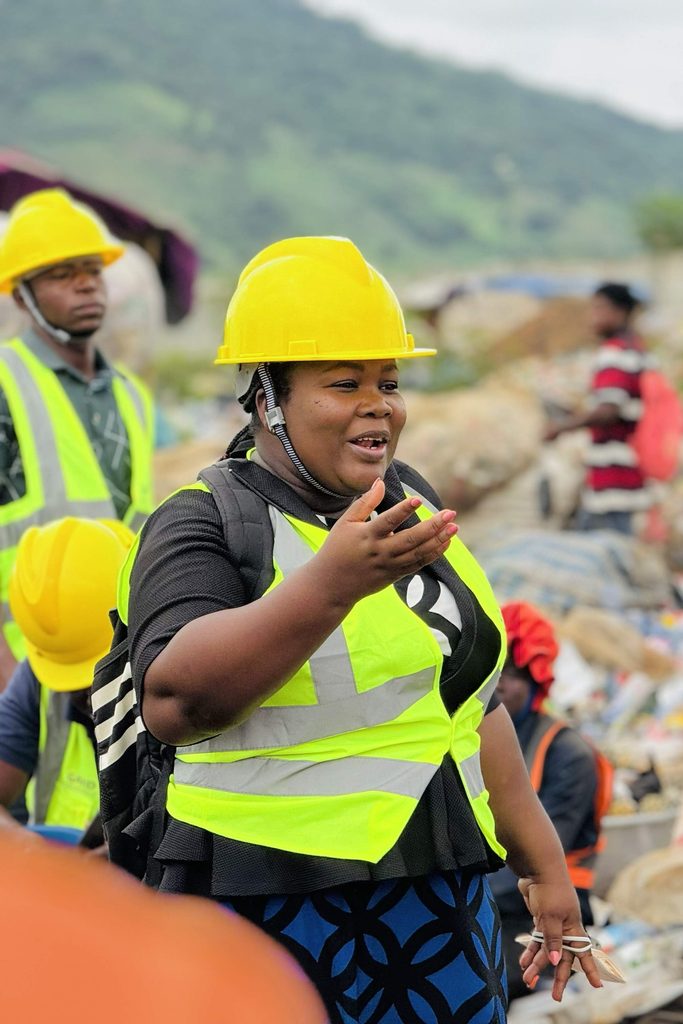
Plastics/metals recovery
Since the project began, we together with our partners have diverted approximately 1,072 tonnes of waste from landfill and open burning across Ghana, Uganda and Botswana; including 748 tonnes of plastic and 324 tonnes of organic waste. That is nearly 30 tonnes diverted every single month. Over the same period, the initiative has avoided approximately 14,288 tonnes of CO₂e, proving that locally led zero waste systems can deliver measurable climate outcomes at scale. Behind these numbers are communities no longer living beside illegal dump sites, and waste workers whose labour has been recognised and integrated into functioning systems.
Something something
Something something
Something something
Crganic waste to compost
Since the project began, we together with our partners have diverted approximately 1,072 tonnes of waste from landfill and open burning across Ghana, Uganda and Botswana; including 748 tonnes of plastic and 324 tonnes of organic waste. That is nearly 30 tonnes diverted every single month. Over the same period, the initiative has avoided approximately 14,288 tonnes of CO₂e, proving that locally led zero waste systems can deliver measurable climate outcomes at scale. Behind these numbers are communities no longer living beside illegal dump sites, and waste workers whose labour has been recognised and integrated into functioning systems.
Something something
Something something
Something something
Textiles to upcycled products
Since the project began, we together with our partners have diverted approximately 1,072 tonnes of waste from landfill and open burning across Ghana, Uganda and Botswana; including 748 tonnes of plastic and 324 tonnes of organic waste. That is nearly 30 tonnes diverted every single month. Over the same period, the initiative has avoided approximately 14,288 tonnes of CO₂e, proving that locally led zero waste systems can deliver measurable climate outcomes at scale. Behind these numbers are communities no longer living beside illegal dump sites, and waste workers whose labour has been recognised and integrated into functioning systems.
Something something
Something something
Something something